

loading

side projects · built with AI

playground

AI became a big chunk of my week, at work and at home. So I started building with it too.

These are small things, mostly for problems I actually have. Test them yourself, or watch the videos for some context.

Natalia as a kid, lounging in a hammock
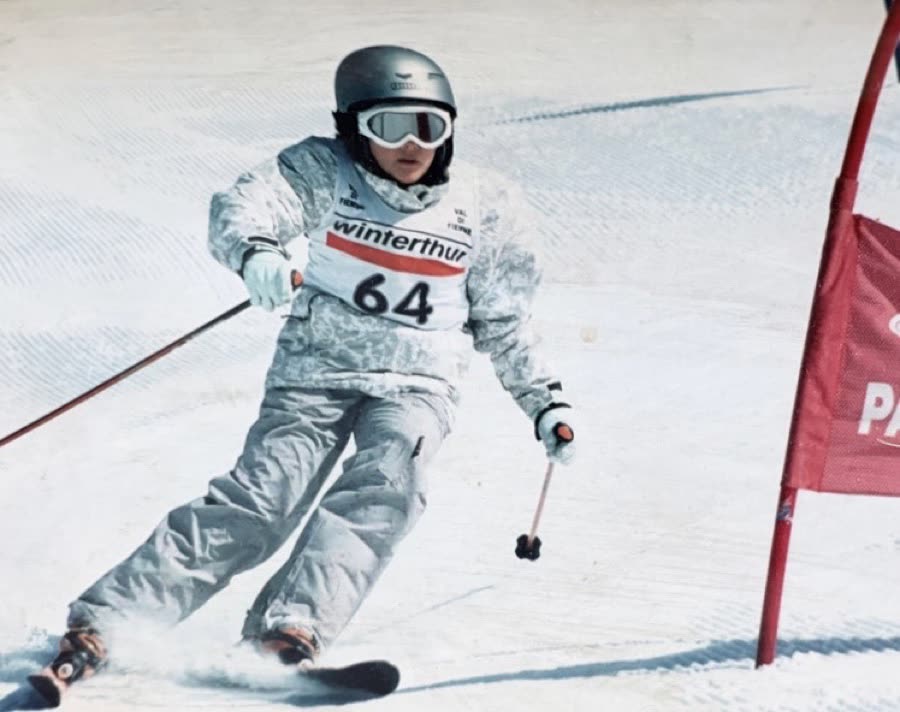
Natalia ski racing as a kid
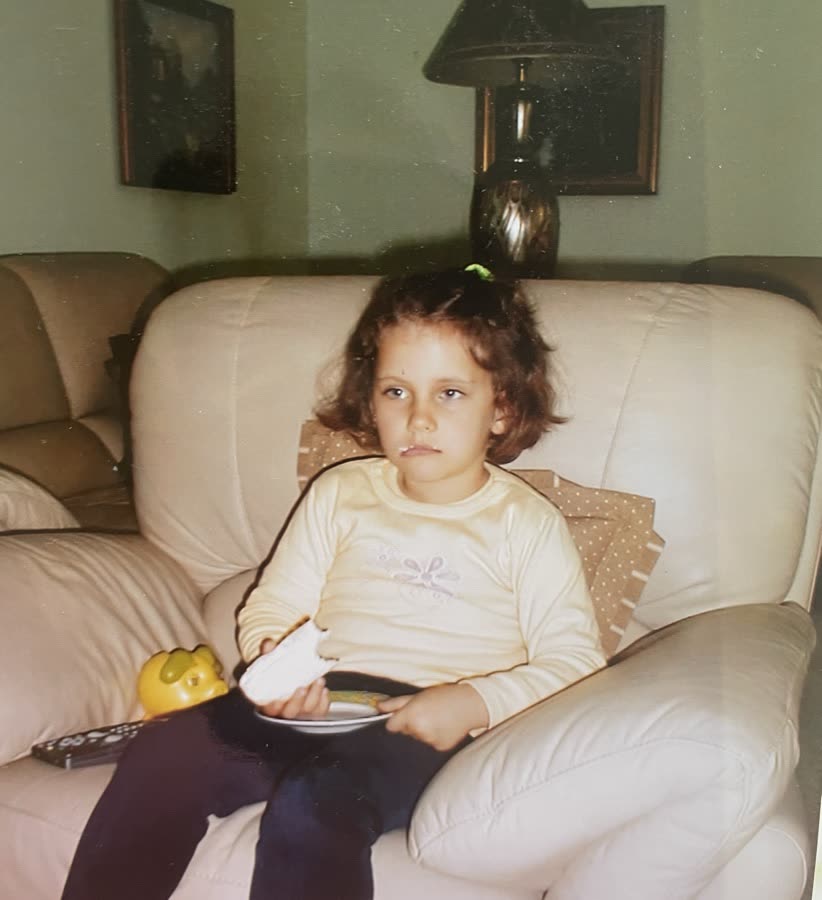
Natalia as a kid on the couch with a snack
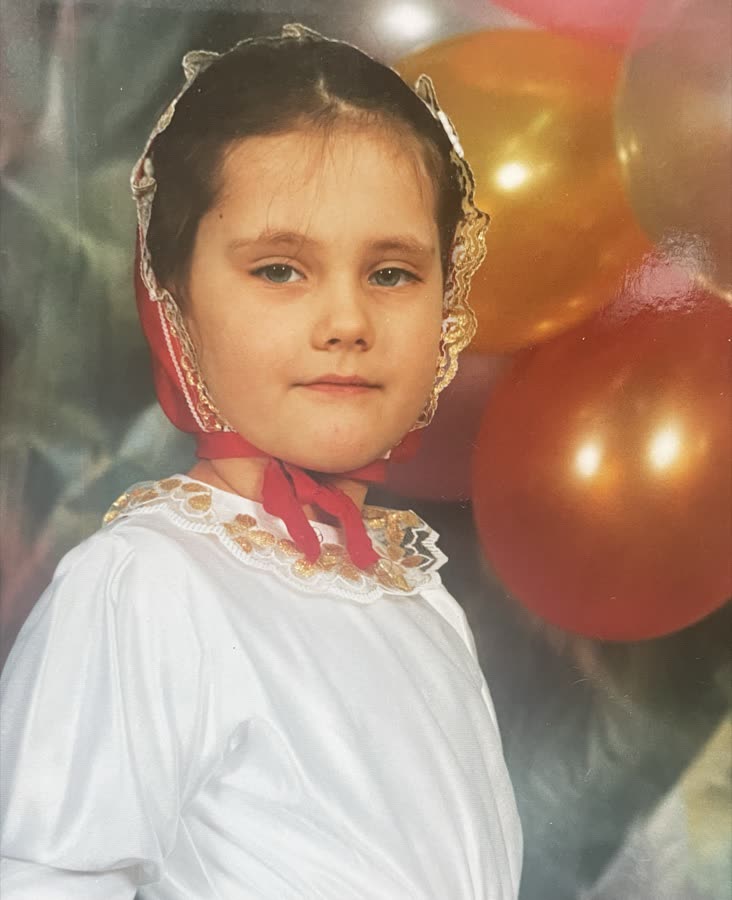
Natalia as a kid at a birthday party

1000 Spanish words, in the order people actually say them.

I’m learning Spanish, and every app I tried spent my first week on fruit and colours. Words I could read off a menu, never the ones carrying an actual conversation.

So I built the deck I wanted: a frequency list drawn from 27 million words of film and TV subtitles, ranked by how often people actually say them, collapsed onto root words.

You sort all 1130 words by how well you know each one, and it spaces the reviews out from there. You learn both directions, Spanish to English and back. No sign-up needed: progress lives in your browser. Log in with your email if you want it on desktop and mobile.

claude code → supabase → netlify~four evenings

Animation with AI, over time

Animation always ate my time.

First time I brought Claude into my motion work, it stayed slow, and the results let me down. Looked great in my head, clunky on screen.

So here’s me showing my work. How I started, and how it’s going.

Two things shifted at the same time. The tools got sharper (Figma, Claude Code, Remotion), and I got sharper at using them. My eye caught up. My craft caught up. Watching both lines move together is the point of this section.

Figma → claude code + remotion~three evenings

Photo in. Mosaic pattern out. Tick off tiles as you place them.

I started doing disco-tile mosaics on paper as a side thing (don’t ask me why, I like shiny things and needed to spend time on something manual). Planning the patterns in Figma was slow, and the results were rough.

So I built this instead. Drop in a photo, set the final size, the tile size, and the number of colours. You get a pattern split into tiles and larger chunks, and you can mark them off as you build the real thing. (would also work with LEGO).

claude (planning) → claude code → github → vercel~two evenings

Want to build something with AI, or curious how these were made?

natalia.wlwsk@gmail.com →